Quick Answer
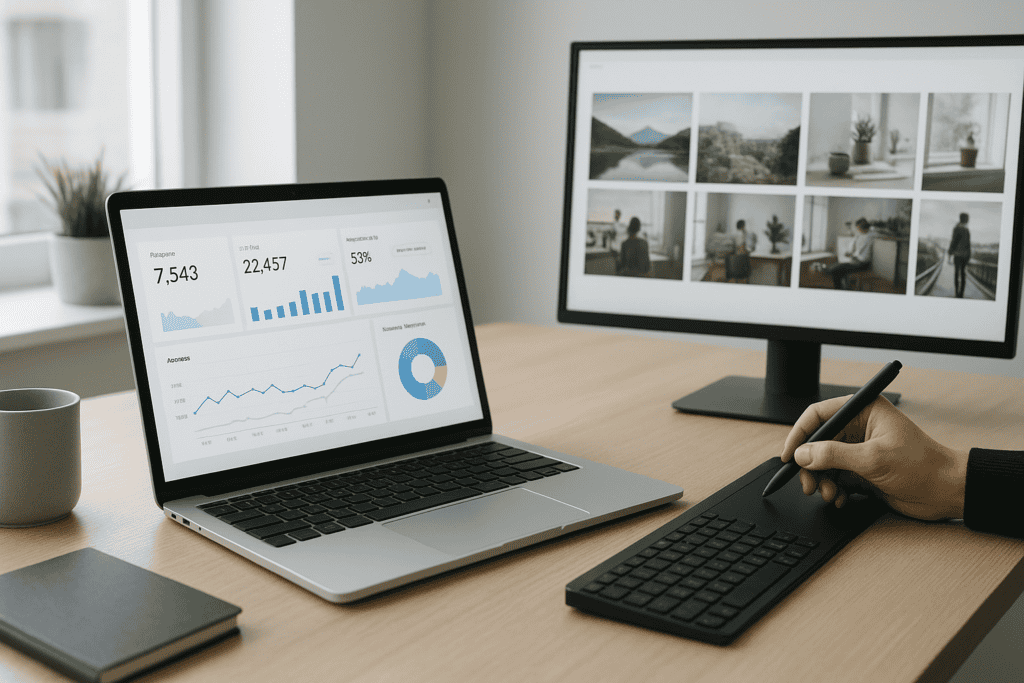
Email segmentation techniques for sales help UK businesses improve conversions by splitting their email list into useful groups, then sending each group a message that matches their needs and buying intent. Start with simple segments such as new leads, existing customers, engaged subscribers, inactive contacts, service interest, purchase history and lead source. Use CRM and email platform data to tailor subject lines, offers and calls to action. A new lead may need helpful guidance, while a warm prospect may be ready to book a consultation or request pricing. Keep the setup manageable, test results by segment and refine over time. Steve Welsh Marketing can support this as part of a wider joined-up marketing approach.
Intro
Email marketing still delivers some of the strongest returns in digital marketing, but only when the message fits the audience. Sending the same email to every contact on your list is one of the fastest ways to reduce engagement, weaken trust and miss sales opportunities. For UK businesses that want better results from their email activity, smarter segmentation is often the most practical place to start.
Effective email segmentation techniques for sales help you group contacts based on who they are, what they have done and where they are in the buying journey. That means your emails can be more relevant, more timely and more likely to convert. Instead of broadcasting one generic message, you can send offers, case studies, reminders and calls to action that match real customer intent.
This matters whether you are selling professional services, e-commerce products, training, software or high-value B2B solutions. Better segmentation improves sales email targeting, supports stronger customer segmentation in email marketing and gives your team a clearer route from lead generation to conversion.
In this guide, we will look at practical email segmentation for sales, including the best ways to build segments, the data you can use, how to write emails for each group and the mistakes that often hold businesses back. For more information on how Steve Welsh Marketing can help with your email segmentation, see our marketing packages.

Why email segmentation matters for sales
How segmentation improves relevance and response rates
The main reason segmentation works is simple. People respond better to emails that feel relevant to their needs. If a prospect has just downloaded a pricing guide, they need a different follow-up from a long-term customer who has already bought from you three times. If someone regularly clicks your product updates, they are showing stronger intent than a contact who has not opened an email in six months.
Email list segmentation helps you act on these differences instead of ignoring them.
When you segment properly, you can improve:
- Open rates, because subject lines are more specific to the audience
- Click-through rates, because the content reflects what the reader actually cares about
- Conversion rates, because the offer and call to action are better matched to buying intent
- Unsubscribe rates, because people receive fewer irrelevant messages
- Sales efficiency, because your team spends more time on warmer leads
For example, a UK accountancy firm might segment its list into start-ups, established SMEs and landlords. Each group has different concerns, deadlines and service needs. Sending one broad newsletter to all three groups is unlikely to perform as well as tailored emails that address their specific challenges.
The same applies to B2B manufacturers, estate agents, consultants, retailers and service providers. Relevance is what turns email from a communication channel into a sales channel.
The sales impact of sending the right message to the right audience
The commercial value of email segmentation techniques for sales is not just better engagement metrics. It is better sales outcomes.
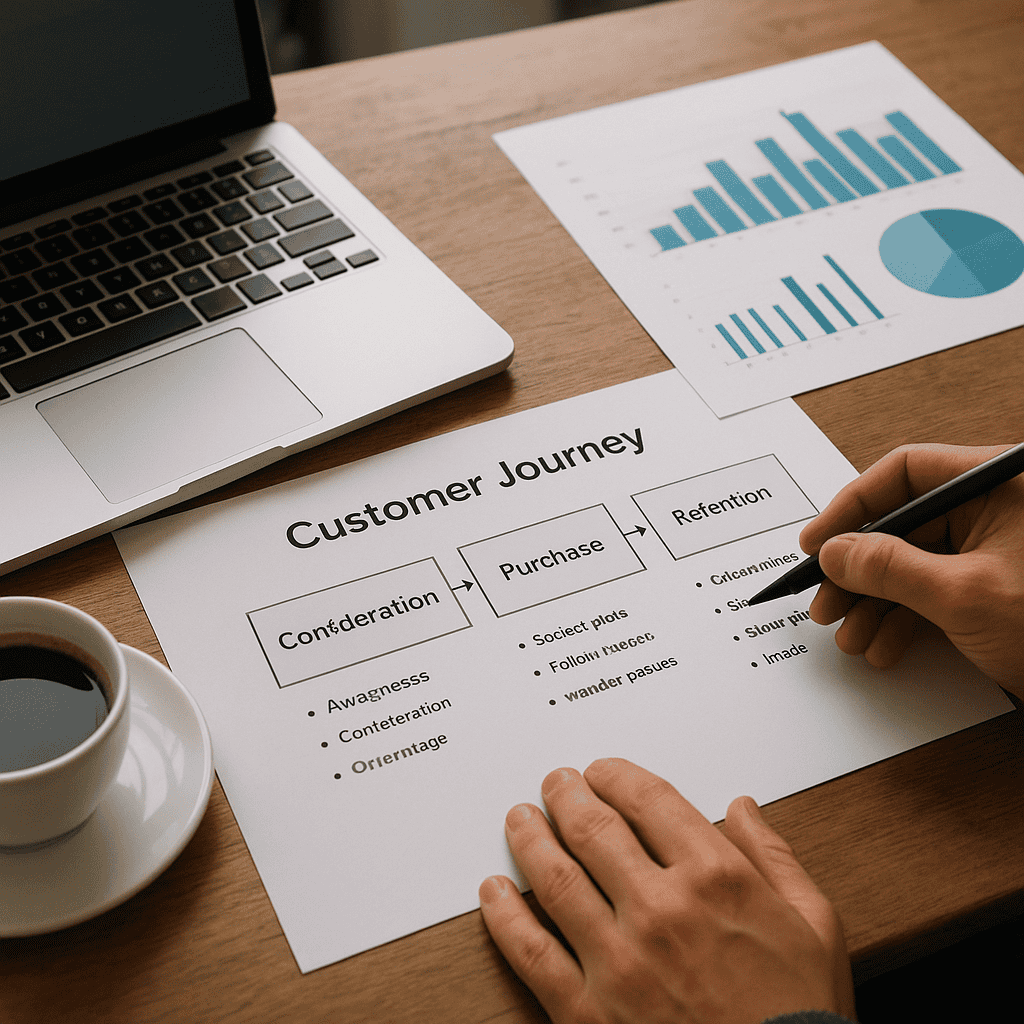
A prospect in the research stage may need educational content, proof of expertise and low-pressure next steps. A prospect comparing suppliers may need pricing information, testimonials and a consultation offer. An existing customer may be ready for an upsell, renewal or cross-sell. If all three receive the same email, at least two are likely to get the wrong message.
Segmentation allows you to align your email campaigns with sales intent. That can shorten the buying cycle, improve lead quality and increase the percentage of contacts who move from interest to action.
It also helps sales and marketing work more closely together. Marketing can use behaviour and CRM data to identify warmer segments, while sales teams can focus follow-up efforts on contacts who are showing stronger buying signals.
In practice, this means:
- New leads can receive a nurture sequence that builds trust
- Returning website visitors can receive a more direct offer
- Past customers can receive product recommendations based on previous purchases
- Inactive leads can receive re-engagement campaigns before they are removed from the list
This is where personalised email campaigns become commercially useful rather than cosmetic. Personalisation is not just adding a first name. It is sending the right message based on real context.

The most effective email segmentation techniques for sales
Segmenting by buying stage, behaviour and engagement
Some of the strongest email segmentation for sales starts with three practical categories: buying stage, behaviour and engagement.
Buying stage
Segmenting by buying stage helps you tailor your message to where the contact is in the decision process.
Typical stages include:
- Awareness stage leads who are just learning about the problem
- Consideration stage leads who are comparing options
- Decision stage leads who are close to buying
- Existing customers who may buy again
At each stage, the email content should change.
Awareness emails might include guides, checklists or educational insights. Consideration emails might include case studies, service comparisons or FAQs. Decision-stage emails might include consultations, demos, pricing pages or limited-time offers.
Behaviour
Behaviour-based segmentation uses actions people take across your website, emails or landing pages.
Useful behavioural segments include:
- Contacts who clicked a product or service page
- Contacts who downloaded a lead magnet
- Contacts who abandoned an enquiry form
- Contacts who viewed pricing information
- Contacts who attended a webinar or event
These actions often reveal intent more clearly than demographic data alone. Someone who clicks your service page twice in a week is usually more sales-ready than someone who simply joined your list months ago.
Engagement
Engagement segmentation looks at how actively people interact with your emails.
You might segment contacts into:
- Highly engaged subscribers who open and click regularly
- Moderately engaged contacts who interact occasionally
- Inactive contacts who have not engaged for a set period
This helps you adjust frequency, messaging and campaign goals. Highly engaged contacts may be ready for stronger sales offers. Less engaged contacts may need a softer approach or a re-engagement sequence.
For many UK businesses, these three segmentation methods provide a strong starting point without making campaign management too complex.
Using customer data, purchase history and lead source
The next level of customer segmentation in email marketing comes from combining behavioural signals with customer and lead data.
Customer data
Basic customer data can include:
- Industry
- Business size
- Location
- Job role
- Service interest
- Account type
For B2B businesses, this can be especially valuable. A managing director will often need different messaging from a marketing manager or operations lead. A small local business may have different priorities from a multi-site organisation.
Purchase history
If you sell products or repeat services, purchase history is one of the most useful segmentation tools available.
You can segment by:
- First-time buyers
- Repeat buyers
- High-value customers
- Customers who bought a specific product or service
- Customers due for renewal or replenishment
- Customers who have not purchased again within a typical timeframe
This allows for highly relevant follow-up campaigns. For example, a training provider could promote advanced courses to people who completed an introductory course. A service business could target previous clients with a related service based on what they bought before.
Lead source
Where a lead came from often tells you a lot about what they want.
Useful lead source segments include:
- Organic search leads
- Paid ad leads
- Referral leads
- Event leads
- Social media leads
- Website enquiry leads
Different sources often reflect different levels of intent. A referral lead may already have trust in your business. A lead from a broad awareness campaign may need more nurturing. Segmenting by source helps you avoid treating every lead the same.
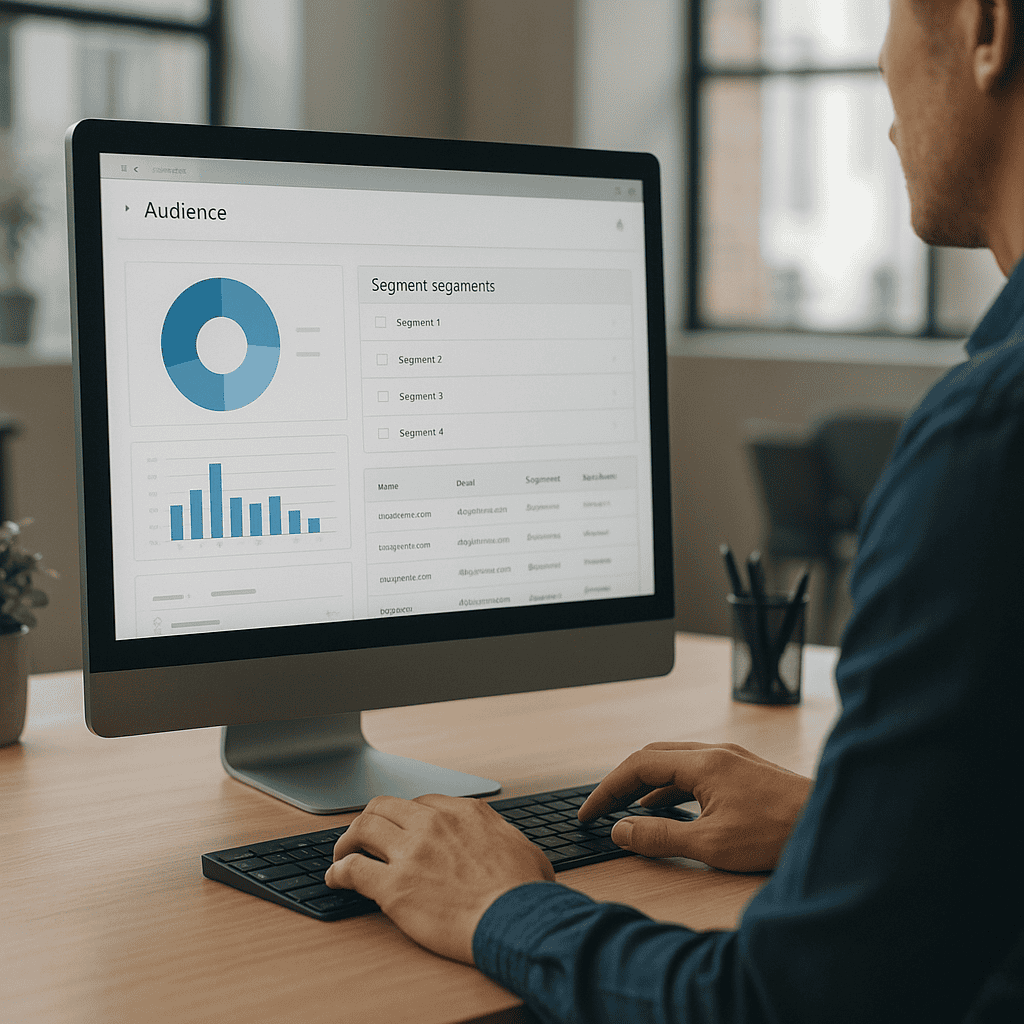
Used together, these data points create much stronger sales email targeting. They also help you prioritise opportunities and build more efficient email journeys.
How to build sales-focused email segments in practice
Simple segment ideas UK businesses can implement quickly
One reason businesses delay segmentation is the assumption that it requires complex systems and large volumes of data. In reality, many effective segments are simple to create and can produce results quickly.
Here are some practical segment ideas that UK businesses can implement without overcomplicating the process.
New leads versus existing customers
This is one of the easiest and most important splits. New leads usually need trust-building content and a clear introduction to your offer. Existing customers may be more responsive to upsells, renewals or referral requests.
Engaged versus inactive subscribers
Create a segment for people who have opened or clicked in the last 30 to 90 days, and another for those who have not. Send stronger commercial emails to the engaged group and a re-engagement campaign to the inactive group.
Service interest segments
If your business offers multiple services, segment contacts based on the service they enquired about, downloaded content for or clicked on. This is especially useful for agencies, consultants, trades, legal firms and financial services businesses.
Location-based segments
For businesses serving specific regions or running local campaigns, location can be a valuable filter. A company with offices in Manchester, Leeds and Liverpool may want to send region-specific event invites, offers or case studies.
Lead magnet or content topic segments
If someone downloaded a guide on SEO, they are likely to be interested in different follow-up content from someone who downloaded a guide on email marketing. This is a simple but effective way to improve personalised email campaigns.
Recent enquiry or high-intent page visitors
If your system allows it, create a segment for contacts who recently visited pricing, service or contact pages. These are often strong sales opportunities and should receive more direct follow-up.
Past customers by service or product type
This is ideal for cross-sell and repeat purchase campaigns. If you know what someone has already bought, you can make a more relevant next offer.
These segment ideas are practical because they are based on data most businesses already have or can collect with small adjustments to forms, CRM fields and email automation.
Tools, CRM data and automation rules to support segmentation
To make email segmentation techniques for sales work consistently, you need a manageable system behind them. That does not always mean expensive software, but it does mean using your tools properly.
Email platform features
Most email platforms allow you to segment by:
- Tags
- Lists
- Custom fields
- Opens and clicks
- Form submissions
- Purchase activity
- Campaign behaviour
If you are only using your platform to send newsletters, you are likely underusing it. Even basic segmentation features can improve campaign performance significantly.
CRM integration
A CRM becomes especially valuable when you want to connect marketing activity with sales outcomes. It allows you to segment based on:
- Lead status
- Sales stage
- Enquiry type
- Last contact date
- Deal value
- Customer history
This creates a clearer picture of who should receive what and when. It also helps avoid common problems such as sending introductory emails to existing customers or pushing sales offers to leads that are not ready.
Automation rules
Automation makes segmentation scalable. Instead of manually moving contacts between lists, you can create rules such as:
- If a contact downloads a pricing guide, tag them as high intent
- If a customer buys product A, add them to a cross-sell sequence for product B
- If a subscriber does not open the last five emails, move them to a re-engagement segment
- If a lead books a consultation, remove them from top-of-funnel nurture emails
These rules help maintain relevance while reducing manual work.
Data collection improvements
Better segmentation often starts with better data collection. You may want to review:
- Website forms and what information they capture
- CRM field consistency
- How lead sources are recorded
- How sales teams update contact records
- How customer purchase data is stored
Even small improvements here can make your email list segmentation much more useful.
If you want a broader strategy that supports email, content and lead generation, explore our Marketing Packages to see how a joined-up approach can help your business grow.

How to write emails that convert each segment
Matching subject lines, offers and calls to action to each group
Segmentation only improves sales if the email content reflects the segment properly. Once you have grouped your audience, the next step is to tailor the message.
Subject lines
Your subject line should reflect the segment’s context and intent. A generic subject line such as “Our latest update” is unlikely to perform as well as something more specific.
Examples include:
- For new leads: A practical next step after your enquiry
- For engaged prospects: Ready to improve your results this quarter?
- For past customers: A smart next service based on your last project
- For inactive subscribers: Still interested in improving your marketing?
The goal is not to be clever. It is to be relevant.
Offers
Different segments need different offers.
Top-of-funnel leads may respond best to a guide, checklist or consultation invitation. Mid-funnel prospects may need a case study, comparison sheet or service breakdown. Decision-stage leads may need a direct proposal, audit or limited-time incentive.
Existing customers may respond better to:
- A related service recommendation
- A renewal reminder
- A loyalty offer
- A review request followed by a referral offer
The offer should match the level of trust and intent already established.
Calls to action
Your call to action should also reflect the segment.
Examples include:
- Download the guide
- Book a consultation
- View pricing
- See how it works
- Request a quote
- Speak to our team
Avoid forcing every segment towards the same action. A contact who is still researching may not be ready to request a quote. A warm lead who has already engaged several times may need a more direct CTA to move them forward.
This is where sales email targeting becomes more effective. You are not just changing the wording. You are changing the next step based on what makes commercial sense.
Personalisation without overcomplicating the campaign
Many businesses hear the word personalisation and assume they need highly complex automation, dynamic content and dozens of micro-segments. In reality, useful personalisation can be straightforward.
Start with these practical approaches:
- Reference the contact’s service interest
- Acknowledge their recent action, such as downloading a guide or visiting a page
- Use industry-specific examples where relevant
- Tailor the CTA to their likely next step
- Adjust the tone and level of detail based on buying stage
For example, a B2B software company could send one email to leads interested in reporting features and another to leads interested in automation features. The structure of the email may be similar, but the examples, benefits and CTA would differ.
That is enough to make the campaign feel more relevant without creating unnecessary complexity.
It is also worth remembering that personalisation should support clarity, not distract from it. Overly detailed dynamic content can create errors, inconsistencies and extra admin. For most UK businesses, a smaller number of well-planned segments will outperform a highly fragmented setup that is difficult to manage.
The best personalised email campaigns are usually built on strong segmentation, clear messaging and a sensible offer. They do not need to be complicated to convert.
Common segmentation mistakes that hurt sales
Over-segmenting, poor data quality and weak testing
Segmentation can improve results, but it can also create problems if handled badly. Some of the most common mistakes are avoidable.
Over-segmenting
It is easy to create too many segments too early. If every campaign requires ten different versions, your team may struggle to keep up and quality can drop. Start with the segments that have the clearest commercial value, such as buying stage, engagement level and service interest.
Poor data quality
Segmentation is only as good as the data behind it. If your CRM is outdated, lead sources are missing or customer records are inconsistent, your campaigns will be less accurate. This can lead to irrelevant emails, duplicate sends and missed opportunities.
Weak testing
Some businesses set up segments and assume the work is done. In reality, segmentation should be tested and refined. You may find that one segment responds better to case studies while another responds better to direct offers. Without testing, you are guessing.
Other common issues include:
- Failing to remove people from the wrong sequences
- Ignoring inactive subscribers for too long
- Using segments that are too broad to be useful
- Sending too many emails to highly engaged contacts without considering fatigue
- Not aligning email messaging with sales team follow-up
A good segmentation strategy should make your email marketing more focused, not more chaotic.
How to measure results and refine your approach over time
To improve email segmentation for sales, you need to measure what happens after the send, not just whether people opened the email.
Useful metrics include:
- Click-through rate by segment
- Conversion rate by segment
- Enquiry or booking rate
- Revenue generated from each campaign
- Time to conversion
- Unsubscribe and spam complaint rates
- Repeat purchase or upsell rate
Look for patterns. Which segments generate the highest quality leads? Which offers convert best for different groups? Which campaigns drive clicks but not sales? These insights help you improve future activity.
It is also worth reviewing segment performance regularly with your sales team. They can often tell you whether the leads coming through are more qualified, whether prospects are better informed and where messaging may need adjusting.
A simple review process might include:
- Monthly checks on engagement and conversion by segment
- Quarterly reviews of segment definitions and automation rules
- Testing one variable at a time, such as subject line, offer or CTA
- Cleaning inactive or outdated contacts from the database
- Updating forms and CRM fields to improve future segmentation
This ongoing refinement is what turns segmentation from a one-off tactic into a reliable sales asset.
For most businesses, the goal is not perfect segmentation. It is commercially useful segmentation that improves relevance, supports the sales process and drives more conversions over time.
Email works best when it reflects real customer intent. That is why email segmentation techniques for sales are so valuable. They help you stop sending broad, generic campaigns and start delivering messages that match where each contact is in the buying journey.
Whether you begin with buying stage, engagement, service interest, purchase history or lead source, the principle is the same. Better segmentation leads to better relevance, stronger sales email targeting and more effective personalised email campaigns.
If your current email activity is generating opens but not enough enquiries or sales, segmentation is one of the most practical improvements you can make. Start simple, use the data you already have, test what works and build from there.
If you want help creating a more effective email strategy that supports lead generation and sales, Steve Welsh Marketing can help. Get in touch to discuss how a more targeted, conversion-focused approach can improve your email performance and turn more of your contacts into customers.
Questions
FAQ’s
-
What are the best email segmentation techniques for sales?
The best starting points are buying stage, engagement level, service interest, purchase history, lead source and customer type. These segments help you match emails to what the contact is likely to need next, rather than sending the same campaign to everyone.
-
How does email segmentation improve sales conversions?
It improves conversions by making emails more relevant to each contact. When the subject line, offer and call to action reflect a person’s intent, they are more likely to click, enquire or buy. It also helps sales teams focus follow-up on warmer leads.
-
What data do I need for effective email list segmentation?
You can start with data you already hold, such as enquiry type, email clicks, form submissions, website page visits, purchase history, customer status, location and CRM sales stage. The key is to keep data accurate and use fields consistently.
-
Should small UK businesses use email segmentation?
Yes, small businesses can benefit from simple segmentation without complex systems. Splitting contacts into new leads, existing customers, engaged subscribers and inactive contacts is often enough to make campaigns more relevant and easier to manage.
-
How many email segments should a business create?
Create only as many segments as you can manage well. For most businesses, a few commercially useful groups are better than dozens of small segments that are hard to maintain. Start with the segments most closely linked to sales intent.
-
What is the next step if my emails get opens but few enquiries?
Review whether each campaign is matched to the contact’s buying stage, service interest and behaviour. Then test a clearer offer, a more relevant call to action and follow-up for high-intent contacts. If the wider strategy needs support, consider a structured marketing package.

Steve Welsh is a digital marketing consultant and founder of Steve Welsh Marketing, helping businesses improve search visibility, attract better leads, and grow through practical, results-focused marketing.
More about Steve →