
Quick answer:
When comparing social media advertising vs organic reach, the right choice depends on your goal. Paid social media advertising is usually better when you need fast visibility, targeted traffic, leads or sales. Organic social media reach is better for building trust, showing expertise and staying visible over time. Most UK businesses should not treat it as an either-or decision. A practical social media marketing strategy often uses organic content to build credibility, then paid campaigns to reach specific audiences and drive measurable action. If the budget is limited, start with consistent organic activity, then use paid ads around clear offers, launches or lead generation goals.
Intro:
For many UK businesses, social media is no longer optional. It is a core part of how people discover brands, compare suppliers, check credibility and decide who to contact. The challenge is not whether to use social media, but how to use it well.
That is where the debate around social media advertising vs organic reach becomes important. Should you invest in paid campaigns to get in front of the right people quickly, or focus on building visibility through regular content and community engagement over time?
The honest answer is that both approaches have value, but they do very different jobs. Paid social media advertising can generate leads, traffic and sales at speed. Organic social media reach can help build trust, authority and familiarity. For most SMEs, the best option depends on budget, goals, timescales and how established the business already is online.
In this guide, we will compare social media advertising vs organic reach in practical terms, looking at cost, speed, targeting, trust and long term value. If you run a UK business and want a clearer social media marketing strategy, this will help you decide where to focus.
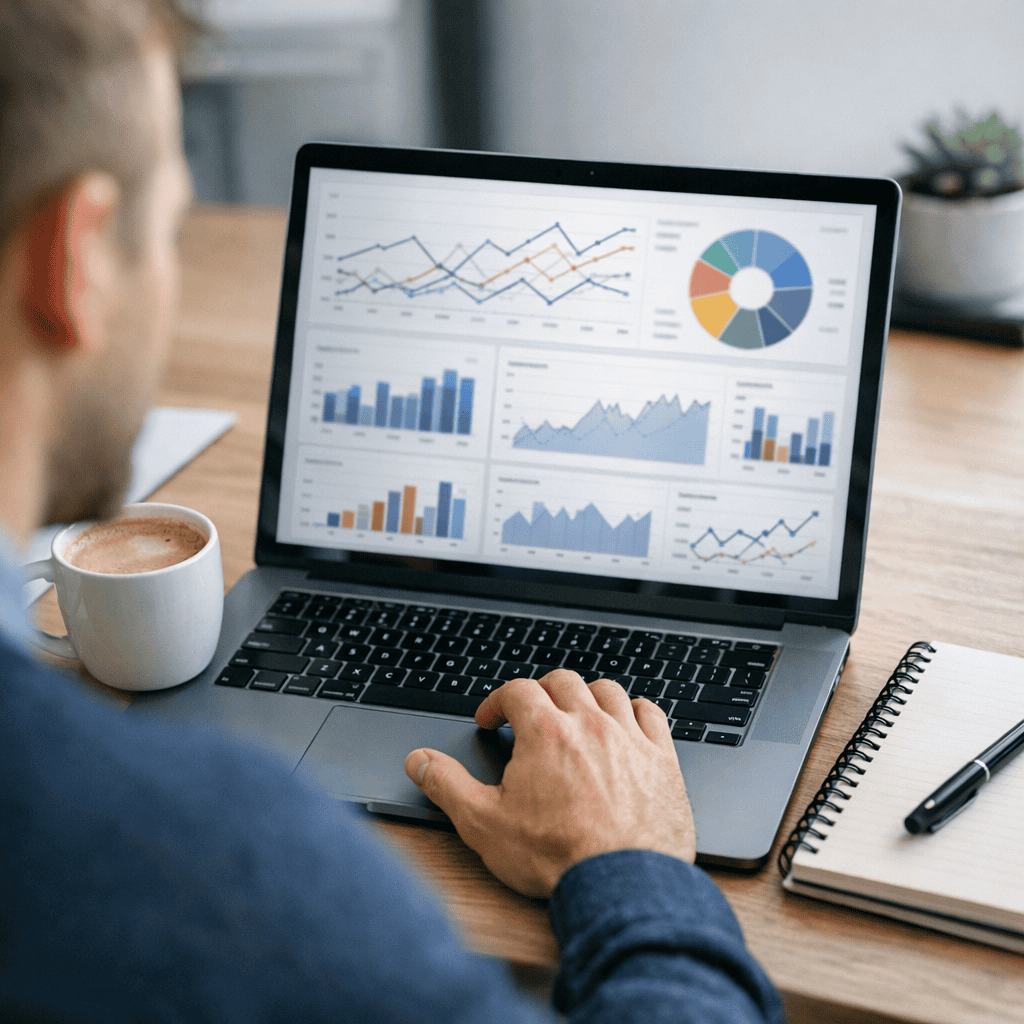
What social media advertising and organic reach actually mean
Before comparing performance, it helps to define the two terms properly. They are often discussed together, but they are not the same thing and should not be measured in the same way.
A simple definition of paid social media advertising
Paid social media advertising is when you pay a platform to show your content to a selected audience. This includes formats such as Facebook and Instagram ads, LinkedIn sponsored posts, lead generation ads, remarketing campaigns and boosted content.
You are effectively buying reach, attention and clicks from a platform based on your chosen objective. That objective might be:
- Website traffic
- Lead generation
- Product sales
- Event sign ups
- Brand awareness
- Video views
- App downloads
The main advantage is control. You can decide who sees your ad based on factors such as:
- Location
- Age
- Interests
- Job title
- Industry
- Behaviour
- Previous website visits
- Existing customer lists
For example, a Bristol based accountancy firm could run LinkedIn ads targeting finance directors at manufacturing companies in the South West. A local gym could use Facebook and Instagram ads to promote a January membership offer to people within a ten mile radius. A B2C ecommerce brand could retarget people who viewed products but did not buy.
Paid social media advertising is designed to create a measurable outcome. You set a budget, monitor performance and optimise based on results.
How organic reach works on platforms like Facebook, Instagram and LinkedIn
Organic social media reach refers to the people who see your content without you paying to promote it. This includes posts published on your business page, updates shared by team members, comments, replies, stories and other unpaid activity.
Organic social media reach depends on several factors:
- How relevant the platform thinks your content is
- How much engagement it receives
- How active your audience is
- How often you post
- The strength of your existing following
- The format of the content
On LinkedIn, a useful insight post from a managing director may gain traction if it gets early comments and shares. On Instagram, a local café might build visibility through regular reels, stories and customer generated content. On Facebook, a community based business may get strong reach from local recommendations and event posts.
Organic content is less predictable than paid advertising because you are relying on algorithms and audience behaviour. Reach can vary significantly from one post to the next. Even businesses with a decent following often find that only a small percentage of followers see each post.
That said, organic activity plays a different role. It helps people understand who you are, what you know and whether your business feels credible. It is often the layer that supports conversion rather than the direct trigger for it.

Social media advertising vs organic reach: the key differences
When comparing social media advertising vs organic reach, the biggest mistake is assuming they should deliver the same outcomes. They work in different ways and are useful at different stages of the customer journey.
Speed, targeting and control
If speed matters, paid social media advertising usually wins.
A campaign can be launched quickly and start generating impressions, clicks and enquiries within days. This makes it useful for:
- Time sensitive promotions
- Seasonal campaigns
- Event marketing
- Lead generation
- Product launches
- Recruitment pushes
Organic reach is slower. You need to build an audience, publish consistently and earn engagement over time. That can work well, but it is not ideal if you need leads this month.
Targeting is another major difference.
With paid campaigns, you can define the audience in detail. That means less wasted exposure and more relevance. For example:
- A solicitor can target people in a specific region who are likely to need family law advice
- A training provider can target HR managers in medium sized UK businesses
- A retailer can retarget people who abandoned their basket
Organic content has less precise targeting. You are largely posting to your existing followers and hoping the platform extends reach to similar users. This can still work, especially if your content is strong, but you have much less control.
Paid social media advertising also gives you more control over timing, format and testing. You can run multiple versions of an ad, compare headlines, swap images and adjust spend based on performance. Organic posting is more flexible creatively, but less controllable in terms of who sees it and when.
Cost, scalability and measurable results
Organic social media reach is often described as free, but that is only partly true. You may not pay the platform directly, but content still costs time, planning and resource. Someone has to create posts, write captions, design visuals, respond to comments and track performance.
For many SMEs, organic social media is not free at all. It is simply funded differently.
Paid social media advertising has a direct media cost, but it can be easier to measure. You can usually track:
- Cost per click
- Cost per lead
- Cost per purchase
- Reach and impressions
- Conversion rate
- Return on ad spend
- Social media ROI
This makes paid campaigns attractive for businesses that need accountability and commercial clarity.
Scalability is also stronger with paid activity. If a campaign is working, you can often increase budget and expand reach. Organic growth is harder to scale quickly because it depends on audience behaviour and platform algorithms.
A simple comparison looks like this:
Paid social media advertising:
- Faster results
- Better targeting
- Easier to test and optimise
- Clearer reporting
- Requires ad budget
- Can stop performing if spend stops
Organic social media reach:
- Slower to build
- Less precise targeting
- Stronger for trust and brand personality
- Lower direct platform cost
- Requires consistency and patience
- Can create long term brand value
For most businesses, the question is not which one is universally better. It is which one is better for your current objective.
When organic reach is the right choice
Organic social media still matters, especially for businesses that want to build a recognisable brand and stay visible between campaigns. It may not always drive immediate leads, but it can make your business easier to trust and easier to choose.
Building trust, authority and community over time
People often check a company’s social media before making contact. They want to see signs that the business is active, credible and relevant. A neglected profile can create doubt. A well managed one can strengthen confidence.
Organic content is particularly useful for:
- Demonstrating expertise
- Showing recent activity
- Answering common questions
- Sharing customer stories
- Highlighting team knowledge
- Building familiarity with your brand
For example, a mortgage broker might share short videos explaining rate changes, deposit myths and first time buyer steps. A digital agency might post practical tips, campaign insights and client wins. A local trades business might show before and after project photos, reviews and behind the scenes updates.
None of this may generate a flood of direct enquiries overnight, but it helps future customers feel more confident when they do find you.
Organic reach also supports authority. If your posts regularly educate and inform, your audience starts to associate your brand with useful expertise. That matters in sectors where trust is a major buying factor, such as legal, financial, healthcare, property and professional services.
Best uses for content-led businesses and local brands
Organic social media reach is often a good fit for businesses that naturally have useful, visual or community focused content to share.
This includes:
- Local hospitality businesses
- Retailers
- Fitness and wellbeing brands
- Estate agents
- Professional services firms
- Personal brands and consultants
- Education and training providers
A local restaurant, for example, can use organic Instagram content to show new menu items, staff personality and customer atmosphere. A solicitor can use LinkedIn to comment on legal changes affecting businesses. A recruitment agency can share hiring advice, salary trends and interview tips.
Organic activity also works well where repeat visibility matters. If someone is not ready to buy today, regular content keeps your business in mind until they are.
That said, organic social media is not enough on its own for every business. If your audience is niche, your market is competitive or your sales targets are aggressive, relying only on unpaid reach can limit growth.

When paid social media advertising makes more sense
There are many situations where paid social media advertising is the more commercially sensible option. If you need momentum, targeting and measurable outcomes, paid campaigns are often the strongest route.
Launching offers, generating leads and driving sales quickly
Paid campaigns are especially useful when there is a clear commercial objective and a defined action you want people to take.
This might include:
- Booking a consultation
- Downloading a guide
- Requesting a quote
- Buying a product
- Registering for a webinar
- Claiming a limited time offer
For example, a UK training company launching a new leadership course could use LinkedIn ads to target HR decision makers and drive brochure downloads. A home improvement firm could run Facebook and Instagram ads promoting a seasonal offer on conservatories. A dental practice could advertise Invisalign consultations to local users within a set radius.
In each case, paid social media advertising gives the business a way to reach likely buyers quickly and move them towards action.
This is particularly valuable for SMEs that cannot wait months for organic traction. If your pipeline needs support now, paid social can help create demand faster than posting organically and hoping for reach.
How paid campaigns help with audience targeting and retargeting
One of the strongest arguments in favour of paid social media advertising is audience precision.
Instead of broadcasting content widely, you can focus budget on people who are more likely to convert. That improves efficiency and can reduce wasted spend.
Useful targeting options include:
- Geographic targeting for local businesses
- Demographic targeting for age and life stage
- Interest targeting for consumer brands
- Job role targeting for B2B campaigns
- Lookalike audiences based on existing customers
- Retargeting based on website visits or previous engagement
Retargeting is especially powerful. Many people do not convert on first contact. They may visit your website, read a service page and leave. Paid social lets you reappear in front of them with a more relevant message.
For example:
- A visitor who viewed your pricing page could see a testimonial ad
- Someone who downloaded a guide could be shown a consultation offer
- A shopper who abandoned their basket could receive a product reminder
This makes paid social media advertising highly effective as part of a wider conversion strategy.
It also gives clearer insight into social media ROI. You can see what happened after someone clicked, which campaigns generated leads and where budget should be increased or reduced.
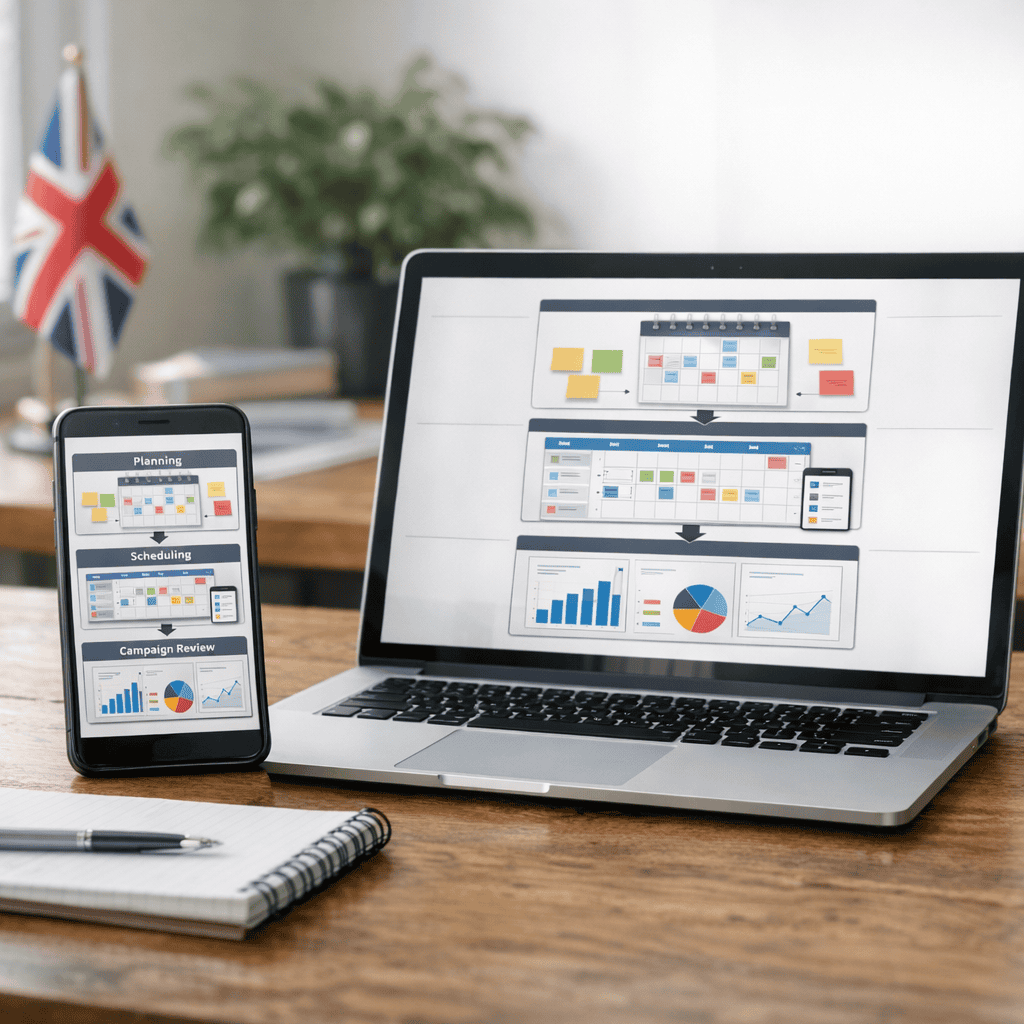
How to combine both for a stronger marketing strategy
For most businesses, the best answer to social media advertising vs organic reach is not choosing one and ignoring the other. It is using both in a way that matches your goals.
Organic and paid work best when they support each other.
Using organic content to support paid campaigns
Organic content can make paid campaigns more effective in several ways.
First, it strengthens credibility. If someone clicks an ad and then checks your profile, they should see a business that looks active, professional and trustworthy. A strong organic presence helps validate the paid message.
Second, organic content can help you identify what resonates. If certain topics, formats or messages perform well organically, they may also work well in paid campaigns.
Third, organic content can warm up your audience before you ask for action. Someone who has seen your posts for weeks may be more likely to respond to an ad than someone encountering your brand for the first time.
A practical approach might look like this:
- Publish regular organic content that answers common customer questions
- Share case studies, testimonials and useful insights
- Use engagement data to spot strong themes
- Turn your best performing ideas into paid campaigns
- Retarget people who engaged with your content or visited your website
This creates a more joined up social media marketing strategy rather than treating paid and organic as separate channels.
Choosing the right mix for your budget and business goals
The right balance depends on what your business needs most right now.
If your priority is immediate lead generation:
- Lean more heavily on paid social media advertising
- Use organic content to support credibility and follow up
If your priority is brand building and trust:
- Invest more in consistent organic content
- Use paid campaigns selectively to amplify key messages
If you are launching a new service:
- Use paid campaigns for reach and enquiries
- Use organic posts to explain benefits, answer objections and show proof
If you are a local business with limited budget:
- Focus on strong organic activity first
- Add paid campaigns around key offers, events or seasonal periods
If you are in B2B and selling higher value services:
- Use LinkedIn organic content to build authority
- Use paid targeting and retargeting to generate qualified leads
A simple decision framework is:
- Define the goal
Do you want awareness, leads, sales, bookings or retention?
- Consider the timescale
Do you need results this month, this quarter or over the next year?
- Assess your resources
Do you have budget for ads, time for content creation or both?
- Review your audience
Are they active on social media, and on which platforms?
- Measure what matters
Track leads, conversions, engagement and social media ROI, not just likes
This is where many businesses benefit from outside support. If you need help building the right mix of paid and organic activity, our Marketing Packages can give your business a practical starting point with support tailored to your goals.
A structured plan can stop you wasting budget on random boosts or spending months on organic posting without a clear commercial purpose.
Social media should support business growth, not just fill a content calendar.
When looking at social media advertising vs organic reach, UK businesses should avoid treating it as a simple either or decision. Paid social media advertising is usually better for speed, targeting and measurable outcomes. Organic social media reach is usually better for trust, authority and long term brand value.
If you need quick visibility, lead generation or sales, paid campaigns often make more sense. If you want to build credibility, stay visible and nurture your audience over time, organic content is essential. In most cases, the strongest results come from combining both in a focused, commercially sensible way.
The key is to align your approach with your business goals, budget and stage of growth. A local business trying to fill appointments next month will need a different strategy from a consultancy building thought leadership over the next year. What matters is not following trends, but choosing the mix that moves your business forward.
If you want a clearer plan for social media advertising vs organic reach and how it fits into your wider marketing, Steve Welsh Marketing can help you build a strategy that is practical, measurable and tailored to your business. Get in touch to discuss the right approach for your goals.
Questions
FAQs
-
What is the main difference between social media advertising and organic reach?
Social media advertising means paying platforms to show your content to a chosen audience. Organic reach means people see your posts without paid promotion. Paid activity gives more speed, targeting and control. Organic activity is better for trust, familiarity and long-term brand value.
-
Can a UK business rely on organic social media alone?
Some businesses can use organic social media effectively, especially if they have strong local, visual or educational content. However, organic reach can be unpredictable and slow. If you need regular leads, sales or campaign results, paid social media advertising is often needed alongside organic content.
-
How much should I spend on paid social media advertising?
How much should I spend on paid social media advertising?
Start with a budget you can test properly without risking too much. The right amount depends on your audience, offer, platform and goal. Focus on measuring cost per lead, cost per sale or other meaningful outcomes rather than just reach or likes. -
When should I use Facebook and Instagram ads?
Use Facebook and Instagram ads when you want to reach a defined audience quickly, promote an offer, generate enquiries, retarget website visitors or support a seasonal campaign. They are especially useful for local businesses, e-commerce brands, consumer services and visual products.
-
How do paid and organic social media work together?
Organic content helps people understand your business and builds credibility when they check your profile. Paid campaigns help you reach the right people faster and move them towards action. Together, they create a more balanced social media marketing strategy.

Steve Welsh is a digital marketing consultant and founder of Steve Welsh Marketing, helping businesses improve search visibility, attract better leads, and grow through practical, results-focused marketing.
More about Steve →