
Quick Answer
Google Business Profile posts for local traffic work by giving nearby searchers a clear, timely reason to contact you, visit your website or request directions. The best posts focus on real customer intent, such as urgent services, current offers, appointment availability, seasonal needs, events or new products. Use plain local language, mention the town or service area where helpful, add a relevant image and finish with a direct call to action. Posting once a week is a sensible starting point for most UK businesses. Posts work best when your wider profile is accurate, well optimised and supported by reviews, photos and useful service pages.
Intro
For many UK businesses, Google Business Profile is one of the most important places to win local attention. It is often the first thing a potential customer sees when they search for a service, a shop, or a business near them. Yet while many companies claim and verify their profile, far fewer use posts properly.
That creates an opportunity.
Google business profile posts for local traffic can help keep your profile active, highlight offers, promote services, answer customer intent, and encourage more clicks, calls and enquiries. They are not a magic fix on their own, but when used well they can support visibility and help turn searchers into leads.
This matters whether you run a plumbing business in Leeds, a dental practice in Bristol, a salon in Glasgow, or an independent retailer in Nottingham. Local customers often make quick decisions based on what they see in search results and Google Maps. A well-written post can give them a reason to choose you over a competitor.
In this guide, we will look at what Google Business Profile posts optimisation actually does, which post types work best, how to write them properly, how often to publish, and what mistakes to avoid if you want stronger local search traffic and better commercial results.
What Google Business Profile posts do for local traffic
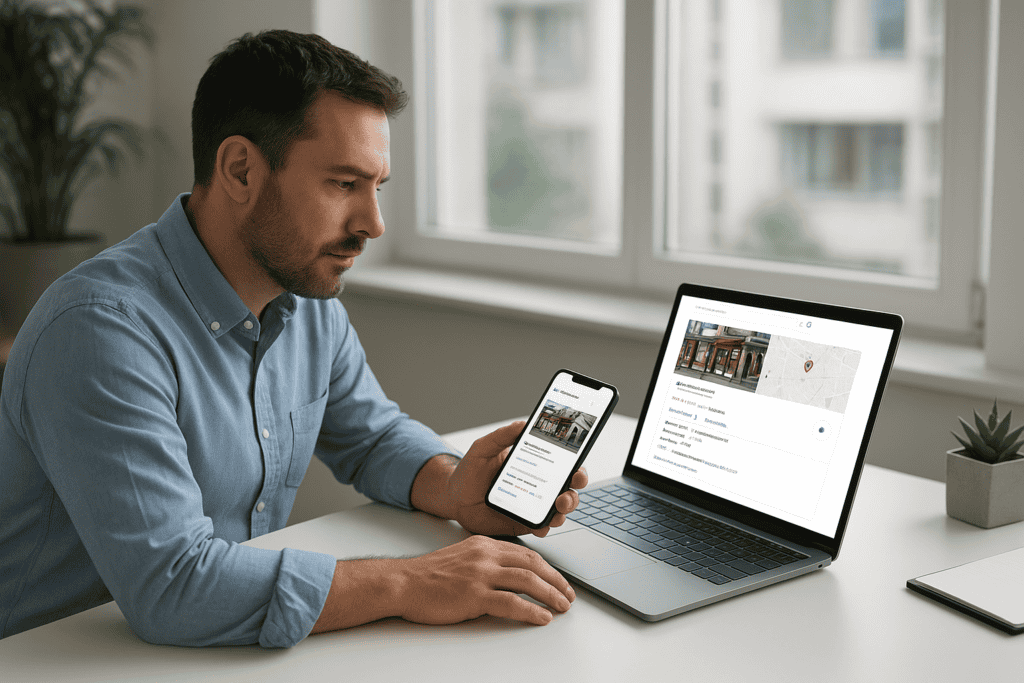
Google Business Profile posts are short updates you publish directly on your profile. They can be used to promote offers, announce changes, highlight services, share business updates, or support seasonal campaigns. While they are simple in format, they can play a useful role in local SEO for UK businesses.
They help you keep your profile fresh, communicate relevance, and give potential customers more reasons to engage. They also allow you to shape what people see when they are already searching with local intent.
How posts appear in local search and Maps
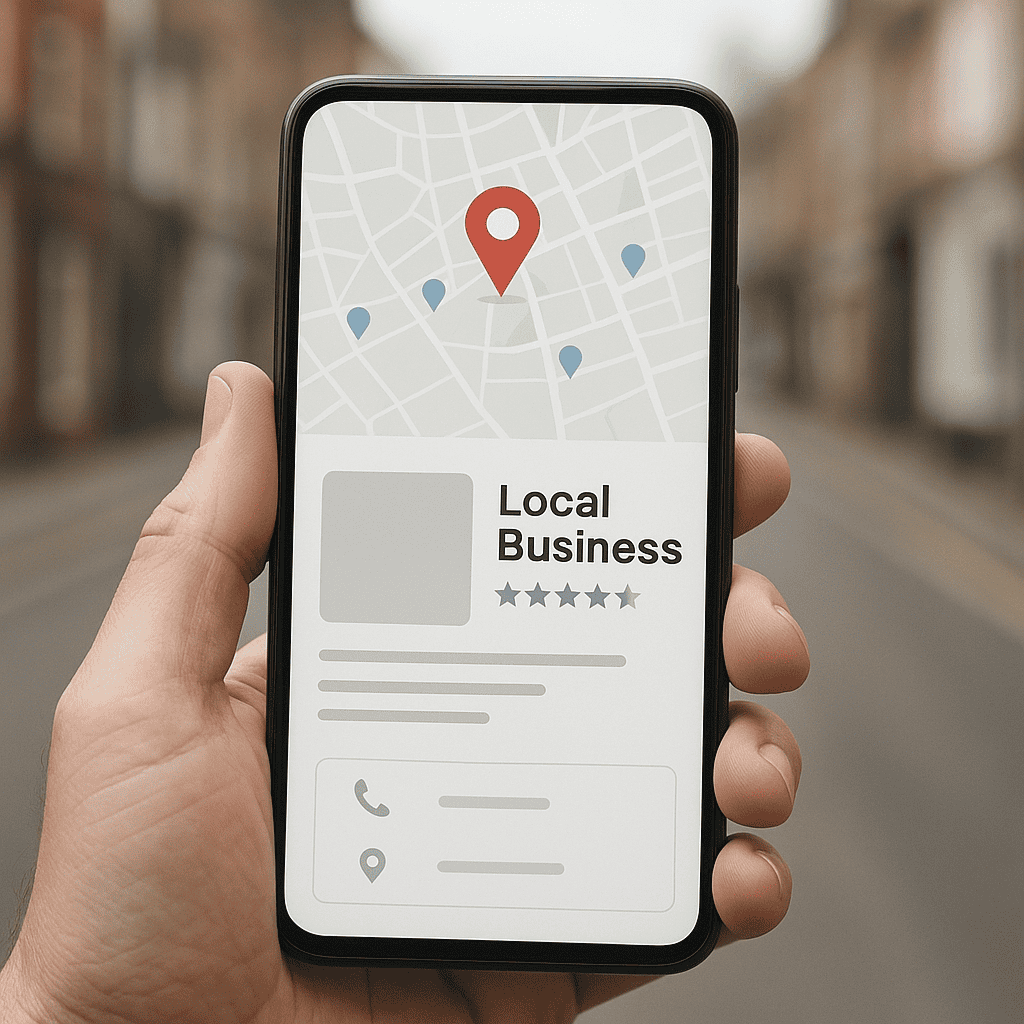
When someone searches for your business name or a relevant local service, your Google Business Profile may appear in Google Search or Google Maps. Posts can show within the profile experience, depending on the device, query type and layout Google is using at the time.
That means a customer searching for “boiler repair Sheffield”, “best florist near me”, or “accountant in Reading” may see your profile and then find recent updates that reinforce trust and relevance.
For example, a local restaurant might publish posts about a new lunch menu, seasonal specials or booking availability. A solicitor might post about fixed-fee consultations for certain services. A gym might highlight a January membership offer or a new class timetable.
These updates do not replace your website content, but they can support your Google Business Profile visibility by showing that the business is active, current and focused on customer needs.
They also help bridge the gap between a search result and an action. If a user sees a relevant update at the point of search, they may be more likely to click through, call, request directions or visit your website.
Why posts can support clicks, calls and enquiries
The value of posts is not just that they exist. It is that they can influence decisions.
A good post can:
- Show that your business is active and trading
- Highlight a time-sensitive reason to act
- Promote a specific service or product
- Address a common local need
- Reinforce trust with clear, useful messaging
- Encourage a direct next step
Imagine a locksmith in Manchester posting “Emergency lockout service available across South Manchester today”. That is more commercially useful than a generic message about quality service. It speaks to urgency, location and intent.
Or consider a beauty clinic in Birmingham posting “Now taking bookings for skin consultations in Harborne and Edgbaston”. That gives local relevance and a clear action.
Google business profile posts for local traffic work best when they align with what nearby customers are already looking for. They support the customer journey at a point where intent is often high. Someone searching locally is not usually browsing casually. They often want a solution soon.
That is why posts can support clicks, calls and enquiries, especially when they are tied to real offers, services, availability or local events.

Which types of posts work best for UK businesses
Not every post type delivers the same value. The best approach depends on your business model, customer behaviour and commercial goals. A local shop may benefit from product-led updates, while a service business may get better results from posts focused on availability, trust and problem solving.
The key is to choose post types that support action, not just activity.
Offers, updates, events and new services
There are several useful formats within Google Business Profile posts, and each can serve a different purpose.
Offers
Offer posts are ideal when you have a clear promotion with a deadline. This might include:
- 10 per cent off for new customers
- Free consultation this month
- Seasonal product discounts
- Limited-time service bundles
- Introductory rates for a new treatment
Offers work well because they create urgency. For UK businesses competing in crowded local markets, a strong offer can help tip a decision in your favour.
Updates
Update posts are the most flexible. You can use them to share:
- New opening hours
- Expanded service areas
- Recent work completed
- Staff expertise
- Booking availability
- Seasonal advice
- Business milestones
For example, a roofer could post about winter roof inspections. A café could announce a new takeaway menu. A physiotherapist could highlight evening appointments.
Events
Event posts are useful if your business runs workshops, launches, open days, classes or community activities. They are especially relevant for venues, retailers, gyms, training providers and hospitality businesses.
A garden centre might promote a spring planting event. A yoga studio might advertise a weekend workshop. A local retailer might announce an in-store Christmas shopping evening.
New services
If you have added a new service, Google Business Profile updates are a simple way to make that visible. This is particularly useful for service businesses trying to expand their local reach.
A digital agency might add local SEO audits. A dental practice might launch Invisalign consultations. A cleaning company might start offering end-of-tenancy cleans in a new area.
These posts can support local search traffic by matching what people are actively searching for nearby.
Choosing post types based on your business goals
The best post type depends on what you want the customer to do next.
If your goal is more phone calls:
Use posts about urgent services, same-day availability, or limited booking slots.
If your goal is more website visits:
Use posts that introduce a service and link to a relevant landing page.
If your goal is more footfall:
Use offers, in-store promotions, local events or seasonal product highlights.
If your goal is more trust:
Use updates that show recent work, customer demand, staff expertise or business improvements.
Here is a practical way to think about it:
Service businesses
Focus on updates, offers and new services. Highlight local areas served, common customer problems, and strong calls to action.
Shops and retailers
Focus on offers, product arrivals, seasonal ranges and in-store events. Use images that show products clearly.
Hospitality businesses
Use posts for menus, special nights, booking reminders, events and seasonal promotions.
Professional services
Use updates that explain services simply, promote consultations, and reassure customers about process and expertise.
Health and wellbeing providers
Use posts around appointment availability, new treatments, seasonal concerns and introductory offers.
The most effective Google Business Profile posts are tied to a business objective. If you cannot explain what action the post is meant to drive, it probably needs reworking.

How to write Google Business Profile posts that attract local customers
Writing effective posts is not about sounding clever. It is about being clear, relevant and useful. You have limited space and a short window to capture attention, so every word needs to earn its place.
For google business profile posts for local traffic, the best copy usually combines local relevance, customer intent and a simple next step.
Using clear local language and strong calls to action
Local language matters because it helps customers feel the post is relevant to them. It also reinforces your connection to the area you serve.
Instead of writing:
“We provide expert home services for all customers”
Try:
“Need a plumber in Stockport? We are taking bookings this week for boiler repairs, leaks and emergency callouts across Stockport and nearby areas.”
That is clearer, more specific and more useful.
Good local language can include:
- Town or city names
- Neighbourhoods or districts
- Service areas
- Local landmarks where relevant
- Seasonal or regional context
For example:
- “Now booking patio cleaning in Solihull and surrounding areas”
- “Visit our gift shop in York city centre for new summer arrivals”
- “Accountancy support for small businesses in Milton Keynes”
Calls to action are equally important. A post should guide the customer towards a next step.
Strong calls to action include:
- Book now
- Call today
- Get a quote
- Visit our website
- Request a consultation
- See available appointments
- Visit us in store
Avoid weak endings such as “find out more” unless the rest of the post is very specific. The stronger the customer intent, the more direct your call to action should be.
A useful formula is:
- Problem or offer
- Local relevance
- Benefit
- Action
For example:
“Looking for a reliable electrician in Wakefield? We are now booking fuse board upgrades and safety checks across Wakefield. Call today to arrange a quote.”
That is simple, local and commercially focused.
What to include in the image, caption and link
A good Google Business Profile post is not just about the text. The image, caption and destination link all affect performance.
Image
Use a clear, high-quality image that supports the message. Avoid generic stock photos where possible. Real images often perform better because they build trust.
Good image ideas include:
- Your team at work
- A finished project
- A product display
- A treatment room or shop interior
- A menu item
- A promotional graphic with minimal text
- An event photo
If you are a local service business, before-and-after images can work well, as long as they are professional and relevant. If you are a retailer, use clean product images. If you are a restaurant, use strong food photography.
Do not overload the image with text. Keep it visually simple and easy to understand on mobile.
Caption
Your caption should quickly answer three questions:
- What is this?
- Why does it matter?
- What should the customer do next?
For example:
“Now offering same-week carpet cleaning appointments in Chester. Ideal for homes, landlords and end-of-tenancy cleans. Book online today.”
That is much stronger than:
“We are pleased to announce our carpet cleaning service.”
Link
Where possible, link to the most relevant page on your website, not just the homepage.
Examples:
- A boiler repair post should link to the boiler repair service page
- A sale post should link to the offer or category page
- A consultation post should link to the booking or contact page
- An event post should link to the event details page
This improves the user journey and increases the chance of conversion.
If you want the profile itself to perform better before you start posting, our Google Business Profile Optimisation service can help improve visibility, trust and local enquiry potential. You can learn more about our Google Business Profile Optimisation service on the website.
How often to post and what to measure
One of the most common questions is how often to publish Google Business Profile posts. The honest answer is that consistency matters more than volume.
You do not need to post every day. But you do need a realistic schedule that keeps your profile active and aligned with your business priorities.
A realistic posting schedule for busy business owners
For most UK small businesses, one post per week is a solid starting point. That is frequent enough to keep your profile updated without creating an unrealistic workload.
A practical schedule might look like this:
Week 1
Promote a key service
Week 2
Share an offer or seasonal promotion
Week 3
Highlight a recent job, product or customer need
Week 4
Post a business update, new service or availability message
This gives you variety while keeping the content commercially useful.
If you are in a more competitive market or have frequent promotions, two posts per week can work well. This may suit restaurants, retailers, gyms, clinics or businesses with regular events.
If you are very busy, even two to four posts per month is better than doing nothing for six months.
The important thing is to avoid random posting. Build a simple monthly plan around:
- Seasonal demand
- Key services
- Promotions
- Local events
- Customer FAQs
- Booking patterns
For example, a heating engineer might post more frequently in autumn and winter. A wedding florist may increase posting during peak planning periods. A tax adviser may focus posts around self-assessment deadlines.
Google business profile posts for local traffic should reflect what local customers are likely to need now, not what you feel like posting about.
Tracking views, clicks, calls and direction requests
To know whether your posts are helping, you need to measure useful actions.
Start by reviewing your Google Business Profile performance data. Look at trends in:
- Profile views
- Website clicks
- Phone calls
- Direction requests
- Messages, if enabled
You should also check your website analytics to see whether traffic from your profile is reaching the right pages and converting.
When assessing post performance, ask:
- Which topics generate the most engagement?
- Do offer posts drive more clicks than updates?
- Do location-specific posts lead to more calls?
- Are certain services getting stronger response?
- Do posts with real images perform better than graphics?
For example, a local solicitor may find that posts about fixed-fee wills get more clicks than general business updates. A café may see stronger engagement from seasonal menu posts than from generic brand messages. A trades business may notice that emergency service posts lead to more direct calls.
Do not judge success purely by impressions. A post with fewer views but more calls may be far more valuable than one with broad visibility and no action.
The goal is not vanity metrics. The goal is more local search traffic that turns into real business.

Common mistakes that reduce results from Google Business Profile posts
Many businesses use posts inconsistently or in ways that limit their impact. The good news is that most of these issues are easy to fix once you know what to look for.
Posting without a clear local search purpose
One of the biggest mistakes is posting for the sake of it.
Examples include:
- Vague company news with no customer relevance
- Generic motivational messages
- Overly broad brand statements
- Posts with no location context
- Updates with no call to action
These rarely help local search traffic because they do not match what customers are looking for.
A better approach is to ask before every post:
What local customer need does this support?
What action do I want the searcher to take?
Why would this matter right now?
For example, “We are proud of our team” may be true, but it is not a strong local search post on its own. “Our Nottingham team is now taking bookings for same-week pest control visits” is much more useful.
Another mistake is failing to align posts with actual services. If your most profitable service is kitchen fitting, but your posts only talk about general business updates, you are missing an opportunity.
Every post should support visibility, trust, enquiries or conversions in some way.
Ignoring profile optimisation, reviews and consistency
Posts work best when the rest of your profile is in good shape. If your business information is incomplete, your categories are wrong, your reviews are weak, or your photos are outdated, posts alone will not solve the problem.
Think of posts as one part of a wider local SEO system.
Your profile should also have:
- Accurate business name, address and phone number
- Correct opening hours
- Relevant business categories
- A strong business description
- Quality photos
- Up-to-date services or products
- Regular review generation
- Timely review responses
If these basics are missing, your posts have less impact.
Consistency matters too. A burst of five posts followed by four months of silence is not ideal. It can make the profile feel neglected. A steady rhythm of useful updates is more effective and easier to manage.
Another common issue is inconsistency between the post and the landing page. If the post promotes a service in Leicester but the linked page is generic and does not mention Leicester, the user experience is weaker. Keep your messaging aligned across profile, website and calls to action.
Finally, avoid using posts as a substitute for proper local marketing. They are a support tool, not a complete strategy. The strongest results usually come when posts are combined with a well-optimised profile, strong local landing pages, solid reviews and a clear conversion path.
Google Business Profile posts can be a practical, low-cost way to support local visibility and generate more enquiries, but only when they are used with purpose. For UK businesses, the best results come from posting content that is relevant to local search intent, tied to real services or offers, and backed by a strong profile.
If you want more local traffic, do not post generic updates and hope for the best. Publish content that answers what nearby customers need, use clear local language, include a direct call to action, and link to the right page on your website. Then measure what leads to clicks, calls and direction requests, and refine your approach over time.
For many businesses, this is one of the simplest ways to make Google Business Profile work harder.
If you want expert help improving your profile, content and local enquiry performance, Steve Welsh Marketing can help you build a more effective Google Business Profile strategy that supports real business growth. Get in touch to discuss how to improve your local visibility and turn more searches into customers.
Questions
FAQ’s
-
What should I post on Google Business Profile to attract local traffic?
Post updates that match what nearby customers need now, such as key services, offers, appointment availability, seasonal advice, local events and new products. Include the area you serve, a clear benefit and a direct call to action.
-
How often should a UK business publish Google Business Profile posts?
For most small businesses, one useful post per week is a realistic starting point. If you have frequent offers, events or booking changes, two posts per week may be worthwhile. Consistency is more important than posting every day.
-
Do Google Business Profile posts improve local SEO?
They can support local SEO by keeping your profile active, improving relevance and encouraging actions such as website clicks, calls and direction requests. They work best alongside accurate profile details, strong categories, reviews, photos and relevant landing pages.
-
Should posts link to my homepage or a service page?
Link to the most relevant page for the post. A boiler repair update should link to a boiler repair page, while an event post should link to event details. This gives customers a clearer journey and can improve enquiries.
-
What makes a Google Business Profile post effective?
An effective post is specific, local and action focused. It should mention the service, offer or update, include the town or area where relevant, use a clear image and end with a next step such as call today, book now or request a quote.
-
When should I get help with Google Business Profile optimisation?
Consider getting help if your profile is incomplete, posts are inconsistent, calls and clicks are low, or you are unsure which services and locations to target. Steve Welsh Marketing can help improve the profile, posts and wider local search approach.

Steve Welsh is a digital marketing consultant and founder of Steve Welsh Marketing, helping businesses improve search visibility, attract better leads, and grow through practical, results-focused marketing.
More about Steve →