Glasgow’s restaurant scene is competitive, fast moving and full of choice. From neighbourhood cafés and independent bistros to busy city centre restaurants, venues need more than a good menu to keep tables filled. Diners often discover new places through Instagram, Facebook, Google and recommendations from friends before they ever visit a website or make a booking.
That is where social media management Glasgow restaurants can rely on becomes commercially important. Consistent, well-planned activity can showcase your food, build trust, promote availability and encourage local customers to book. It can also help your restaurant stay visible during quieter periods, seasonal changes and major events across the city.
However, managing social media effectively takes more than publishing an occasional photograph. It requires a clear content plan, regular monitoring, practical calls to action and an understanding of what local diners want to see. This guide explains how restaurant social media management in Glasgow can support bookings, repeat visits and stronger local awareness.
Quick answer
Social media management for Glasgow restaurants should turn regular content into more local visibility, enquiries and bookings. Start with a monthly plan based on your menu, quieter services, events and target customers. Use a mix of food photography, short-form video, team content, reviews, atmosphere and timely availability updates. Keep profiles accurate, link directly to booking information and include a clear next step in promotional posts. Track website visits, booking clicks, enquiries and bookings linked to social media, rather than relying only on follower growth. Outsourcing can help when your team lacks time or consistency, provided the agency understands hospitality, local Glasgow audiences and your commercial goals with bespoke marketing packages.
Why social media matters for Glasgow restaurants
Glasgow restaurants operate in a market where reputation and visibility can change quickly. A new venue may attract attention through a single popular post, while an established restaurant can lose momentum if its profiles appear neglected or fail to communicate what makes it different.
Social media gives restaurants a direct way to show the experience they offer. It allows potential customers to see dishes, understand the atmosphere, discover current offers and judge whether a venue suits a particular occasion. It also provides an opportunity to stay connected with existing customers between visits.
For restaurants with limited staff time, the challenge is making this activity consistent without allowing it to distract from service. A structured approach to social media marketing for restaurants makes it easier to focus on content that supports real business objectives, rather than posting simply because a calendar says something should be published.
How local diners discover and compare restaurants
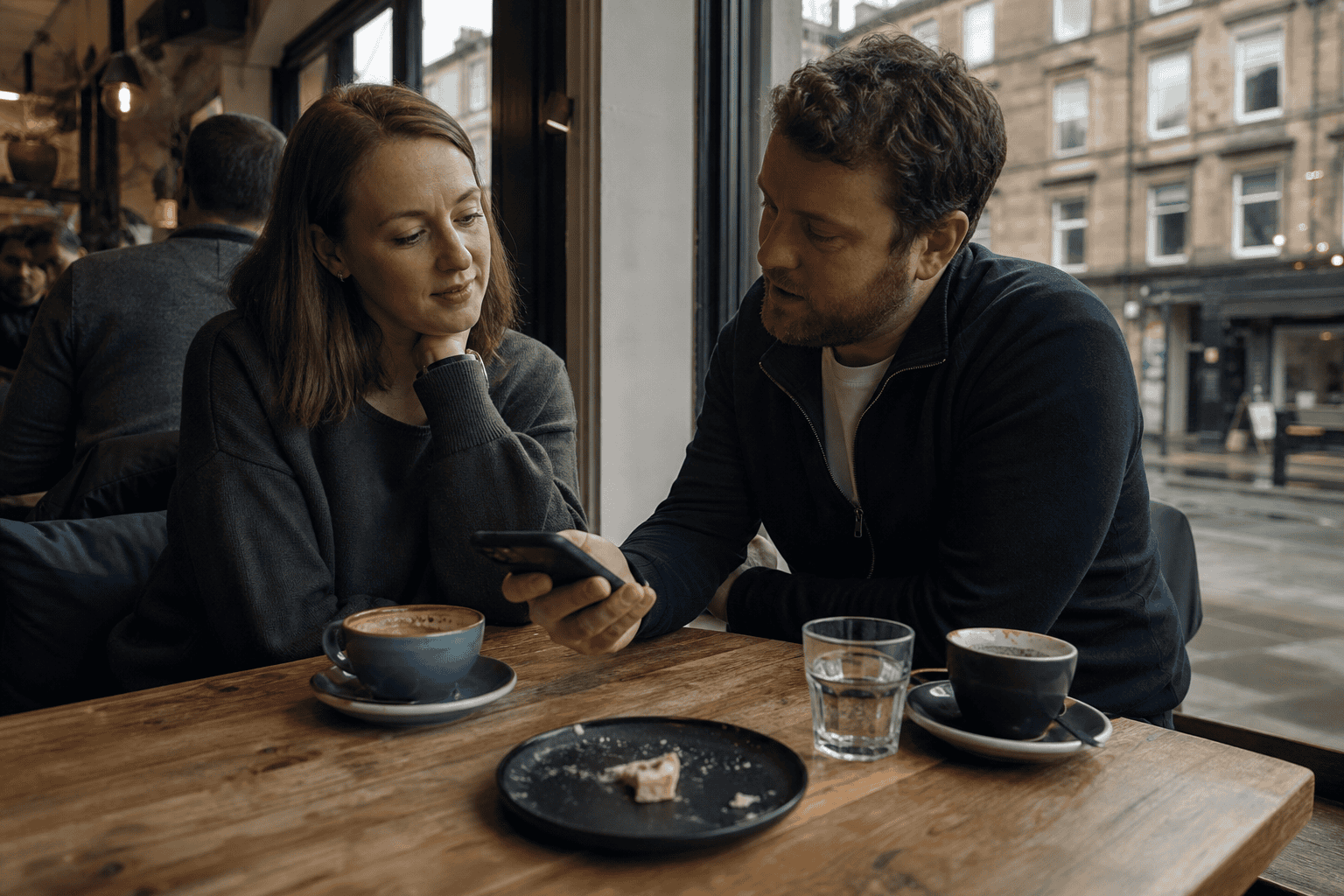
A diner looking for somewhere to eat in Glasgow may search for a restaurant near work, home, a concert venue or a particular neighbourhood. They may also see a recommendation in a local Facebook group, a video shared by a friend or a photograph posted by another customer.
When they find a restaurant, they often compare several options quickly. They may look at:
- The quality and presentation of recent food photographs
- Whether the menu appears suitable for their needs
- The atmosphere and style of the venue
- Recent customer reviews and comments
- Opening times and availability
- How easy it is to make a booking
- Whether the restaurant offers something distinctive
This means your social profiles act as an extension of your restaurant’s front of house experience. A profile with current information and engaging content can reassure a potential customer. A profile that has not been updated for months, features unclear booking details or shows outdated offers may create uncertainty.
Glasgow diners also respond to local relevance. Content can refer naturally to areas such as the West End, Merchant City, Finnieston, Shawlands or the city centre where appropriate, provided it reflects genuine trading activity. The aim is not to repeat location names unnecessarily. It is to help local people recognise that your restaurant is convenient, relevant and part of their community.
The commercial impact of consistent social media activity
Consistent social media activity supports several parts of the customer journey. It can help a person discover your restaurant, build confidence before booking and remember your venue when they are planning their next meal.
The commercial benefits may include:
- More profile visits from local customers
- Increased website visits and booking enquiries
- Greater awareness of midweek availability
- More engagement with new menus and special events
- Stronger demand for private dining or group bookings
- More customer-generated content and recommendations
- Better retention of existing customers
Consistency does not mean publishing the same type of post every day. It means maintaining a reliable presence with content that has a purpose. For example, a restaurant might use Monday content to promote a quieter midweek offer, Wednesday content to highlight dishes and Friday stories to show the atmosphere during service.
Over time, this gives customers more reasons to engage. It also provides useful information about which topics generate actions, rather than relying on likes as the only measure of success.
What effective restaurant social media management includes
Effective restaurant social media management combines planning, content creation, publishing, community engagement and performance review. The right balance will depend on the restaurant, its audience, available resources and commercial priorities.
It should not be treated as a separate activity disconnected from bookings and operations. Content needs to reflect actual availability, menu changes, staff capacity and the occasions you want to attract.
Planning content around menus, bookings and busy periods
A practical content plan should start with the restaurant’s trading priorities. Before deciding what to post, identify the periods where social media could have the greatest commercial impact.
These may include:
- Quieter Monday to Thursday services
- Lunch periods that need more local awareness
- Seasonal menu launches
- Christmas bookings and festive events
- Valentine’s Day, Mother’s Day and other key dates
- Live music, tasting evenings or chef events
- Private dining and group bookings
- Last-minute cancellations or newly available tables
Planning ahead gives your team time to prepare suitable photography, write accurate captions and create booking links or instructions. It also reduces the pressure of trying to think of content during a busy service.
A simple monthly plan could include a mixture of menu features, customer benefits, behind the scenes content, local information and direct booking messages. Each post should have one main purpose. A dish post may encourage customers to view the menu. An event post may drive reservations. A customer story may build trust and social proof.
It is also important to coordinate social media with your actual booking process. If a post promotes a limited offer, make sure staff know the terms and can answer questions. If a post refers to a new menu, check that the menu is live and available. Small inconsistencies can damage confidence and create avoidable work for your team.
Creating useful posts, stories and short-form video
Different social media formats support different objectives. A permanent feed post can showcase a signature dish or explain your restaurant’s concept. Stories are useful for timely updates, availability, polls and informal content. Short-form video can show preparation, presentation and atmosphere in a more immediate way.
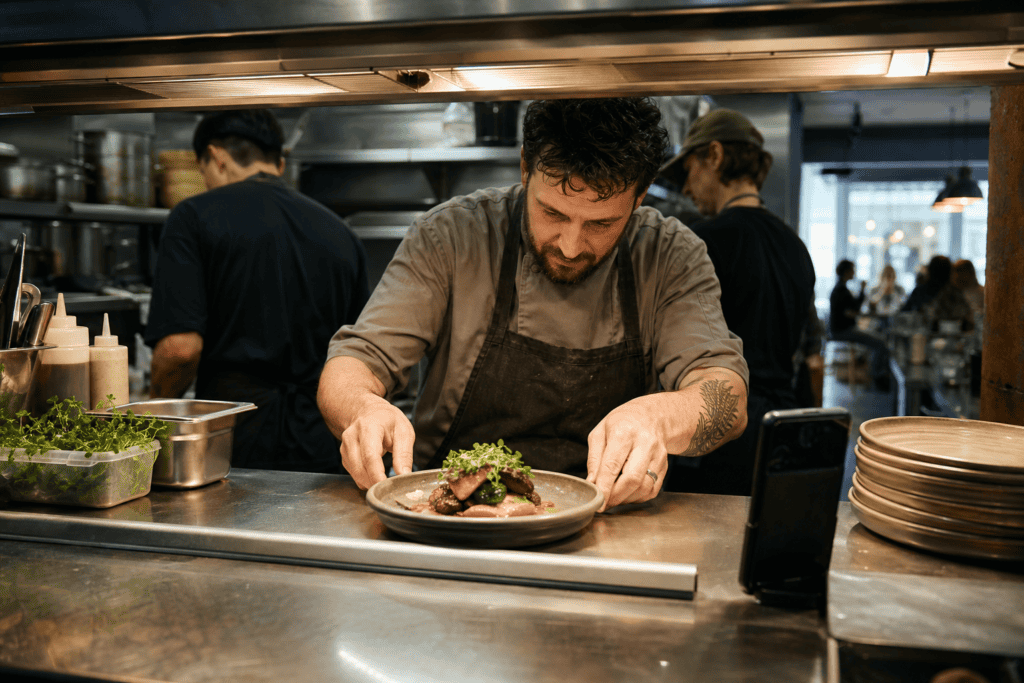
Useful content does not need to be expensive or overproduced. It does need to be clear, well lit and consistent with the quality of your restaurant. A phone video of a chef finishing a dish can be effective if the framing, sound and message are strong.
Practical content formats include:
- A close-up of a signature dish with a clear description
- A short video showing how a popular dish is prepared
- A team introduction that adds personality to the business
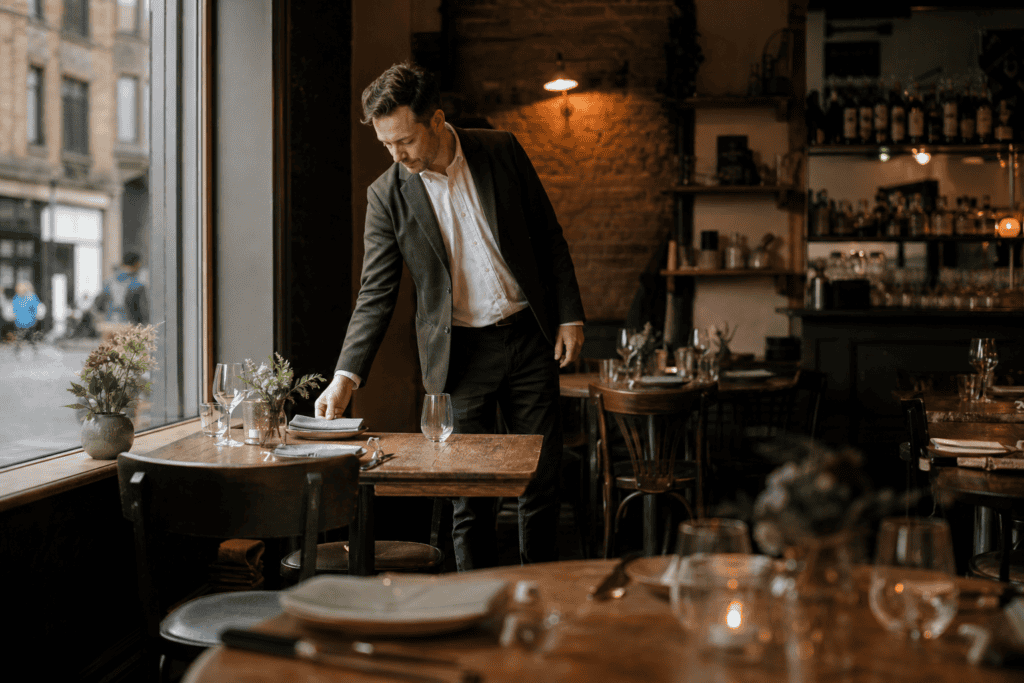
- A walkthrough of the dining room before service
- A customer reaction or review, with permission
- A menu update explaining new ingredients or dishes
- A story showing tables becoming ready for the evening
- A short guide to booking for a group or special occasion
- A question asking followers which dish they would choose
- A reminder about remaining availability during a quieter service
Captions should provide enough context to encourage action. Instead of writing only that a dish looks delicious, explain what it is, when it is available and how customers can reserve a table. Use a natural tone, avoid overusing hashtags and make sure any claims about ingredients or dietary options are accurate.
A practical social media content plan for Glasgow restaurants
A strong restaurant content plan should make your venue easier to understand and easier to choose. It should communicate the food, the environment, the people and the reasons to visit now.
One useful approach is to plan content across a few repeatable themes. This gives your team structure while leaving room for timely updates and creative ideas.
Content themes that showcase food, atmosphere and people
Food is central to restaurant marketing, but it should not be the only focus. Customers are buying an experience, whether they are meeting friends, celebrating an occasion, having lunch with colleagues or enjoying a relaxed evening.
Consider using the following themes.
Food and menu content should show signature dishes, seasonal ingredients, desserts, drinks and options for different dietary requirements. Explain what makes a dish worth trying. Mention texture, preparation, provenance or the inspiration behind it where relevant.
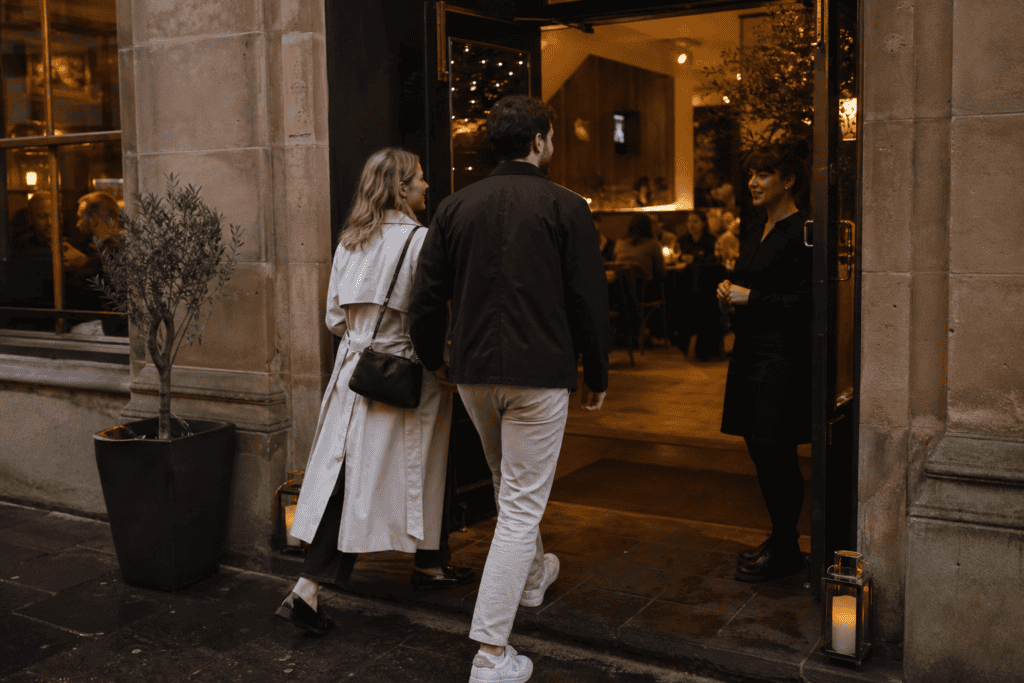
Atmosphere content should help customers picture themselves in the restaurant. Show the dining room, lighting, outdoor seating, bar area and the way the venue looks at different times of day. This is particularly useful for customers choosing a restaurant for a date, celebration or group meal.
People content can introduce chefs, servers, managers and suppliers. A short team feature can make an independent restaurant feel more approachable and memorable. It also demonstrates the care behind the service.
Occasion-based content should make it easy for customers to see when your restaurant is suitable. Examples include pre-theatre dining, business lunches, birthday meals, family gatherings, date nights and larger group bookings.
Trust-building content can include reviews, customer photographs, press mentions, awards and evidence of repeat visits. Always ask for permission before using customer content and credit the creator when appropriate.
A balanced week might feature a signature dish on Monday, a team story on Tuesday, a short preparation video on Wednesday, a review on Thursday and weekend availability on Friday. Stories can then provide more immediate updates during service.
How to use local events, reviews and seasonal opportunities
Glasgow offers many opportunities for timely restaurant content, from concerts and festivals to sporting events, cultural activity and seasonal celebrations. Your content should focus on genuine relevance. If your restaurant is close to a venue, offers pre-event dining or can accommodate groups, explain this clearly.
For example, a restaurant near the city centre might promote an early dining option before a concert. A venue in the West End could highlight a relaxed menu for customers visiting nearby attractions. A restaurant with private dining space could target group occasions around graduation season or local business events.
Do not rely only on major events. Local trading patterns can be just as valuable. Consider when students return, when offices become busier, when families are planning school holiday activities or when people are looking for warmer indoor dining during colder months.
Reviews should be used as more than a collection of star ratings. Share specific comments that demonstrate the experience you want to promote, such as attentive service, a memorable dish or a successful celebration. Pair the review with a relevant image and a simple invitation to make a booking.
Seasonal content also needs to be planned early. If you want Christmas bookings, do not wait until December to start communicating. Share menus, group options, booking deadlines and deposit information in time for customers to make decisions. The same principle applies to Valentine’s Day, Easter, summer events and other important dates.

How to turn social media attention into restaurant bookings
Visibility is useful, but attention only becomes commercially valuable when customers can take the next step. Every profile and post should make it straightforward for a potential diner to find information, ask a question or book.
Making profiles and posts easier to act on
Your social media profiles should provide accurate and consistent information. Check that they include your current address, opening times, contact details, booking method and a clear description of the restaurant.
Use a suitable profile link that takes customers directly to your booking page or the most relevant information. Avoid making people search through several pages to find availability. If bookings are handled by telephone, state when the team is available and include the correct number.
Each promotional post should contain a clear next step. This might be:
- Book through the link in our profile
- Call the restaurant to discuss group availability
- Send us a message to ask about private dining
- View the new menu before choosing your table
- Reserve a table for this weekend
- Contact the team about dietary requirements
Keep the call to action relevant to the content. A post about a seasonal menu should direct customers towards the menu or booking system. A post about private dining should encourage an enquiry rather than simply asking people to like the post.
Respond to comments and messages promptly, especially when customers are asking about availability, allergies, parking or group arrangements. A fast, helpful response can be the difference between a booking and a customer choosing another restaurant.
Tracking enquiries, reservations and return on investment
Social media performance should be assessed using measures linked to business outcomes. Reach and engagement can show whether content is attracting attention, but they do not tell the whole story.
Useful measures include:
- Website visits from social platforms
- Clicks on booking links
- Telephone or direct message enquiries
- Bookings mentioning a social media post
- Redemptions of social media offers
- Enquiries for private dining or events
- Growth in local followers
- Engagement with specific menu or location content
- Repeat visits from customers reached through social media
Use tracking links where possible and ask new customers how they found you. Add a simple question to booking or enquiry processes so staff can record whether a customer came from Instagram, Facebook, a recommendation or another source.
Review results monthly rather than judging every post in isolation. A post may generate fewer likes but several valuable booking enquiries. Another may reach a large audience but lead to no measurable action. Comparing content types over time helps identify what supports your commercial goals.
Set realistic targets based on your capacity. If the restaurant wants to increase Tuesday bookings, measure Tuesday enquiries and reservations rather than focusing only on overall follower growth. This keeps social media management connected to the areas of the business that need support.
When to outsource your restaurant social media management
Some restaurant owners and managers can manage social media successfully in house, particularly when they have time, confidence and access to suitable images. However, the demands of service often mean that content becomes inconsistent or is only published when somebody has a spare moment.
Outsourcing can provide greater structure, improve consistency and give your team access to specialist planning and content support.
Signs your team needs specialist support
You may benefit from external support if:
- Your profiles are updated irregularly
- Posts are created at the last minute
- Important offers or events are not promoted early enough
- Staff are unsure what content to create
- Customer messages are not answered promptly
- Your restaurant looks different online from the experience in person
- You are receiving attention but not enough booking enquiries
- You cannot identify which activity is producing results
- Social media is taking time away from running the restaurant
A specialist can help build a realistic content plan around your opening hours, menu changes and commercial priorities. They can also create repeatable processes for approvals, photography, publishing and reporting.
Outsourcing does not mean losing the personality of your restaurant. The best approach is collaborative. Your team provides the stories, expertise and access, while the marketing partner turns those assets into consistent communication.
If your restaurant needs consistent planning, content and promotion across more than one marketing channel, explore our Marketing Packages to see how Steve Welsh Marketing can provide practical support.
What to check when choosing a marketing partner
Choose a partner that understands the difference between hospitality marketing and general social media posting. Ask how they would learn about your restaurant, your customers, your busiest periods and your commercial targets.
It is useful to discuss:
- Which platforms are suitable for your audience
- How content ideas will be planned and approved
- Whether photography and video support are available
- How quickly comments and messages will be managed
- How promotions will be coordinated with your booking process
- Which performance measures will be reported
- How often results and priorities will be reviewed
- What access your team will have to content and reporting
Look for clear communication, practical recommendations and evidence that the provider focuses on outcomes. You should understand what is included, how often content will be published and how the work will be adapted when your trading priorities change.
Social media management Glasgow restaurants invest in should make marketing more manageable, not create another source of uncertainty. The right partner will help you turn your restaurant’s food, people and atmosphere into content that encourages local diners to take action.
Questions
FAQ
-
How much does social media management for a Glasgow restaurant cost?
The cost depends on the number of platforms, how often content is published, whether photography or video is needed and the level of community management and reporting required. A useful package should be based on your restaurant’s goals, capacity and budget rather than a standard list of posts.
-
Which social media platforms are best for Glasgow restaurants?
Instagram is often useful for food, atmosphere and short-form video, while Facebook can support local awareness, events and communication with established customer groups. The best choice depends on where your diners spend time and what your team can manage consistently. It is usually better to use fewer platforms well than spread activity too thinly.
-
Can social media management increase restaurant bookings?
It can contribute to more bookings by improving local visibility, showing the dining experience, promoting availability and making the booking process easier. Results are stronger when posts include relevant calls to action and performance is tracked through booking clicks, enquiries, offer redemptions and customer feedback.
-
What content should a Glasgow restaurant post?
Useful content includes signature dishes, seasonal menus, preparation videos, team introductions, the dining room, customer reviews, local event opportunities and remaining availability. A balanced plan should show both what the restaurant serves and the occasions it suits, such as date nights, pre-theatre dining, business lunches or group meals.
-
When should a restaurant outsource social media management?
Outsourcing may be worthwhile when profiles are irregularly updated, staff are posting at the last minute, customer messages are missed or social media is not generating clear commercial insight. A suitable partner can plan content around your service schedule, coordinate promotions and report on activity linked to your business priorities.
Conclusion
For Glasgow restaurants, social media is an important part of attracting attention, building trust and filling tables. A consistent approach can help local diners discover your venue, compare it with other options and choose it for their next meal.
The most effective strategy combines strong food and atmosphere content with practical information about menus, availability, events and bookings. It uses local opportunities naturally, responds to customers promptly and measures outcomes that matter to the business.
Social media management Glasgow restaurants can use successfully should be planned around real trading priorities. Whether you manage activity internally or work with a specialist partner, the goal is the same: create useful content, make booking simple and give customers compelling reasons to visit.
If your restaurant needs a clearer content plan and stronger digital promotion, contact Steve Welsh Marketing to discuss practical support for attracting more local diners and generating more bookings.
Sources
- Food and You 2 Wave 10 Key Findings
- F&Y2 Wave 10 Chapter 3 Eating out and takeaways
- Get started with a Business Profile for your restaurant
- Small and Micro Food Business Operator Tracking Survey Wave 5
- Reviews and social media endorsements: what businesses and content creators must know

Steve Welsh is a digital marketing consultant and founder of Steve Welsh Marketing, helping businesses improve search visibility, attract better leads, and grow through practical, results-focused marketing.
More about Steve →